In an increasingly sustainability-conscious fashion world, the vintage clothing market continues to grow exponentially. 2025 has seen a significant evolution in consumer preferences, with certain vintage styles dominating the wholesale market. This article explores current trends, the reasons behind their popularity, and offers valuable advice for retailers operating in the wholesale vintage clothing sector, with special attention to selling by the kilo.
Table of Contents
- The Rise of Vintage in 2025
- Y2K: The Return of the 2000s
- 90s Grunge Style
- 70s Elegance
- 40s-50s Workwear and Utility
- 80s Japanese Minimalism
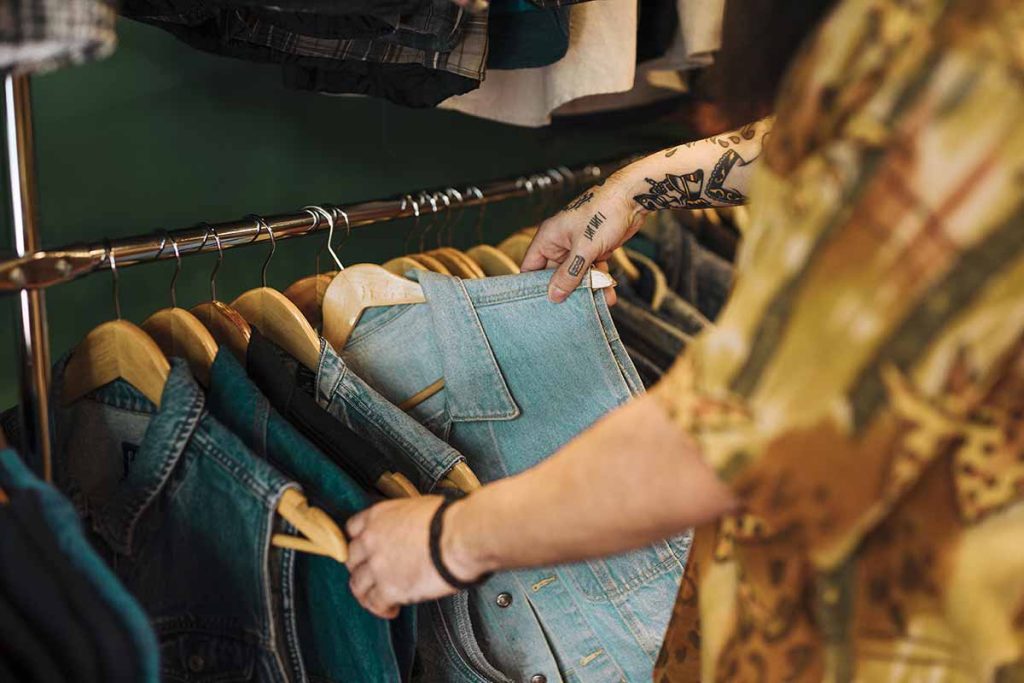
- Vintage Denim: An Evergreen in Constant Evolution
- Trending Vintage Accessories
- Wholesale Selling by the Kilo: Winning Strategies
- Sustainability and Vintage: A Perfect Match
- How to Select and Purchase Wholesale Vintage Stock
- Conclusions and Future Forecasts
The Rise of Vintage in 2025
The vintage clothing market has reached unprecedented maturity in 2025. According to the most recent industry data, the global vintage market value has grown 18% compared to the previous year, exceeding €40 billion. This phenomenon is driven by several interconnected factors:
- Environmental awareness: With increasing concern about climate change, consumers are seeking sustainable alternatives to the fast fashion industry.
- Uniqueness and individuality: Gen Z and Millennials want to stand out through unique pieces that tell a story.
- Social media influence: Platforms like TikTok, Instagram, and Pinterest have amplified interest in specific vintage styles, creating genuine communities of enthusiasts.
- Circular economy: The idea of giving clothes a new life while aligning with circular economy principles has become mainstream.
- Superior quality: Many vintage items are made with higher quality materials and production techniques compared to their modern equivalents.
According to a recent market survey, 67% of consumers under 35 have purchased at least one vintage item in the last six months, with average spending increasing by 22% compared to 2024.
Y2K: The Return of the 2000s
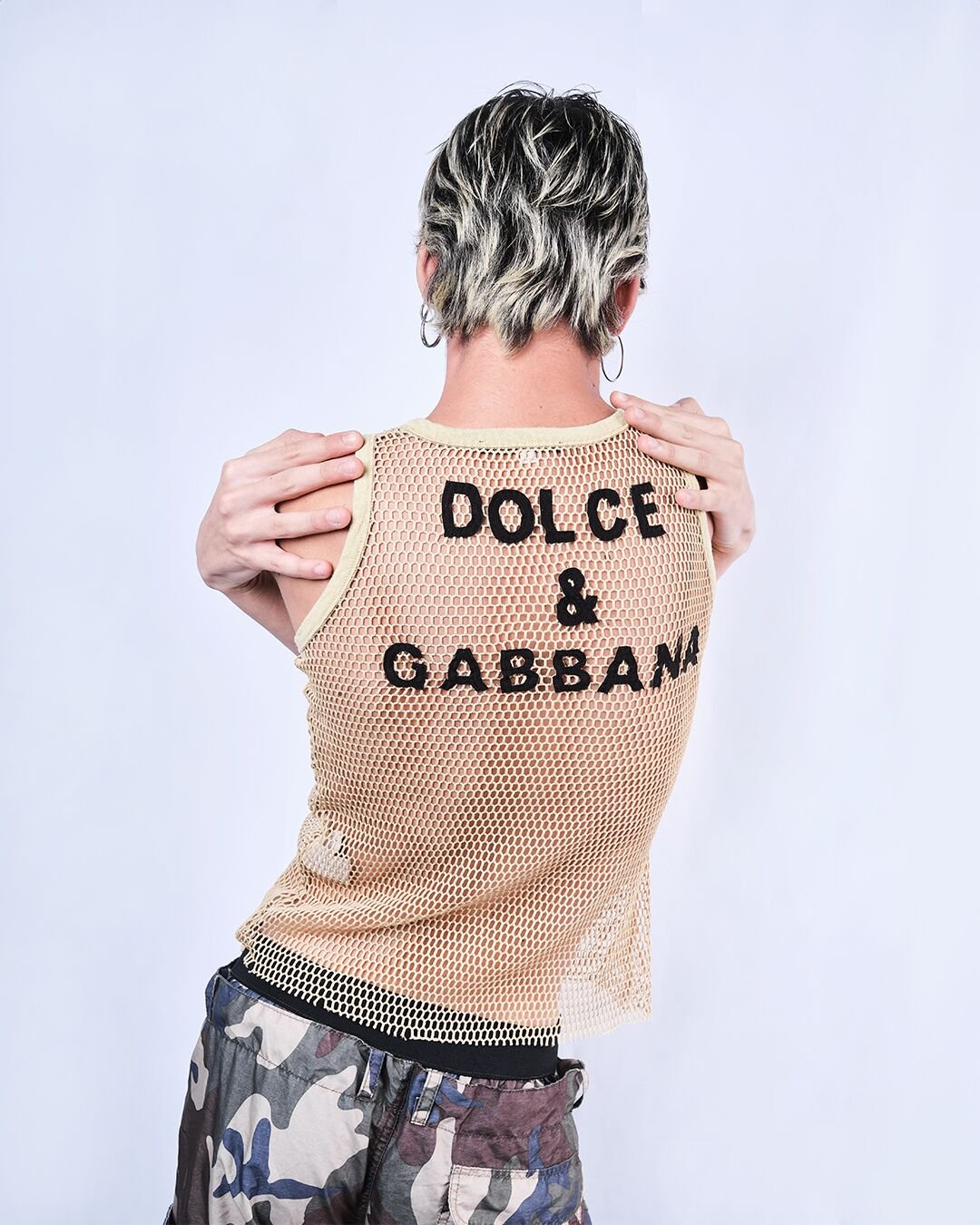
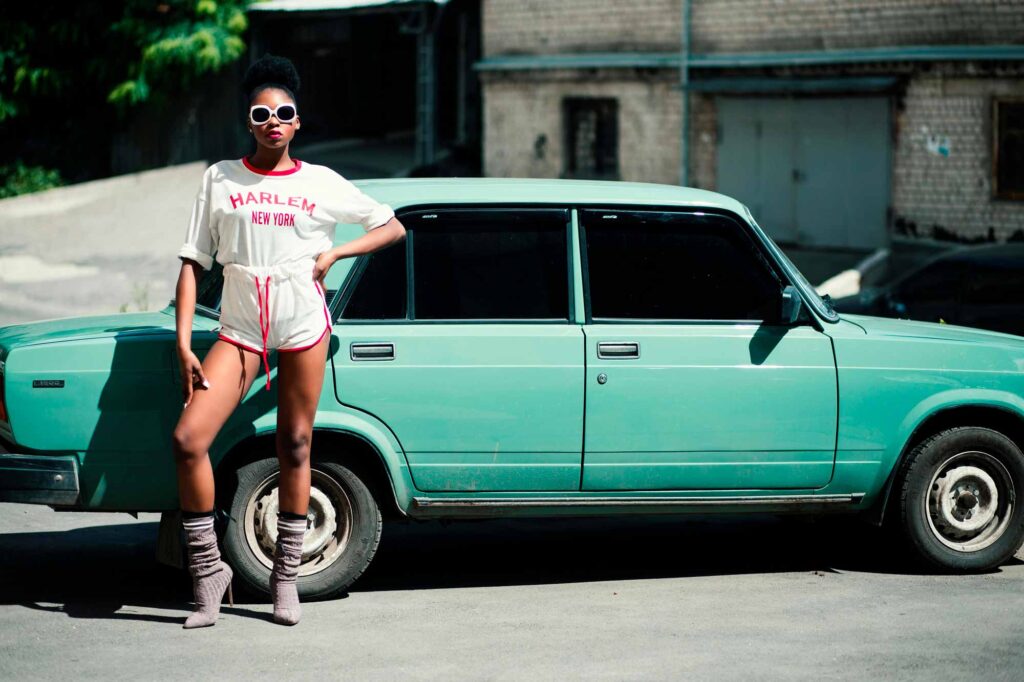
Y2K style, which celebrates the aesthetic of the 2000s, continues to dominate the vintage market in 2025, representing about 28% of total wholesale vintage clothing sales. This style is characterized by:
- Crop tops and low-rise jeans: Back in vogue with force, these items are among the most requested in wholesale bales.
- Shiny and metallic fabrics: Materials like satin, sequins, and metallic finishes are highly sought after.
- Baby tees with graphics and slogans: Fitted T-shirts with nostalgic prints are particularly popular.
- Miniskirts and cargo pants: These elements define the Y2K style and are in high demand.
- Pastel colors and acid tones: The unmistakable Y2K color palette is highly requested.
Wholesale retailers offering Y2K-themed bales can apply a 15-20% premium compared to standard mixed bales. XS and S sizes tend to sell out more quickly, so it’s advisable to differentiate the offering to satisfy all customer segments.
An interesting fact: Y2K clothing sales increase significantly (up to 40%) after the launch of new content on streaming platforms that recall that era or when influential celebrities adopt these styles.
90s Grunge Style
90s grunge represents 22% of the vintage market in 2025, with steady growth year after year. This style is characterized by:
- Plaid flannel shirts: A timeless classic, always in demand.
- Ripped and worn jeans: The lived-in effect is essential for the grunge aesthetic.
- T-shirts with rock band graphics: Original period pieces are particularly valuable.
- Oversized cardigans and sweaters: Perfect for layering, a key element of grunge style.
- Dr. Martens and combat boots: Accessories complete the look.
In the wholesale market, 90s grunge-themed bales have a particularly high resale rate (85-90%) and shorter inventory times compared to other styles. This makes them a safe investment for retailers.
It’s interesting to note how grunge is appreciated across different age groups: while younger people discover it as something new, Millennials revisit it with nostalgia. This dual demographic makes grunge items particularly versatile in the resale market.
70s Elegance
The style of the 70s has seen a significant revival in 2025, representing 18% of the vintage market. This style is characterized by:
- Flared pants: Back in fashion thanks to their distinctive silhouette.
- Dresses with psychedelic prints: Bold, colorful patterns are highly sought after.
- Suede jackets and fringe: Iconic elements of 70s bohemian style.
- Blouses with bows and wide collars: Romantic details that define the era.
- Denim vests and jackets: Perfect for completing 70s-style outfits.
Authentic vintage items from the 70s are particularly prized for their fabric quality and craftsmanship. In the wholesale market, bales containing pieces from this decade can be sold at a 25-30% premium, especially if they include well-preserved pieces from iconic brands of the era.
An emerging trend is the combination of 70s elements with contemporary pieces, creating hybrid looks that attract both vintage purists and more mainstream fashion enthusiasts.
40s-50s Workwear and Utility
In 2025, we’ve witnessed a surprising growth in interest for vintage workwear from the 40s and 50s, now representing 15% of the market. This style is characterized by:
- Heavy cotton work jackets: Appreciated for their durability and timeless style.
- Overalls and mechanic jumpsuits: Revisited in a modern key as statement pieces.
- Flannel shirts and sturdy denim: Basic but essential elements.
- Military jackets and field jackets: Highly sought after for their functional appearance.
- Aged leather accessories: Belts, bags, and wallets that improve with use.
This style has a particular appeal in the male segment of the vintage market, traditionally more difficult to penetrate. Vintage workwear items are appreciated for their durability and versatility, characteristics that make them long-term investments.
In the wholesale market, workwear items tend to weigh more than other styles, a factor to consider in selling by the kilo. However, their perceived value is often higher, allowing interesting margins despite the higher procurement cost.
80s Japanese Minimalism
An emerging trend in 2025 is the appreciation for Japanese minimalism from the 80s and early 90s, now representing 12% of the vintage market. This style is characterized by:
- Oversized cut with clean lines: Ample but structured silhouettes.
- High-quality natural fabrics: Linen, cotton, and wool in neutral tones.
- Architectural details: Pleats, draping, and asymmetrical constructions.
- Essential color palette: Black, white, beige, and earthy tones.
- Intelligent layering: Garments designed to be layered.
Designers like Yohji Yamamoto, Issey Miyake, and Comme des Garçons have profoundly influenced this style, and their vintage pieces are particularly sought after. In the wholesale market, these items represent a high-value niche, with per-kilo prices significantly higher than average.
This trend is particularly strong in major European cities and urban centers with a developed cultural scene. Retailers serving these geographic areas should consider including specialized bales in this style.
Vintage Denim: An Evergreen in Constant Evolution
Vintage denim remains a category of its own, representing 20% of the overall market in 2025. The demand for authentic vintage jeans continues to grow for several reasons:
- Fabric quality: Vintage denim is often heavier and more durable compared to contemporary production.
- Authentic washes: Natural aging processes are impossible to replicate industrially.
- Iconic cuts: Models like Levi’s 501, Wrangler 11MWZ, and Lee Riders are always in demand.
- Versatility: Vintage denim easily adapts to different styles and occasions.
- Sustainability: Reusing existing jeans significantly reduces environmental impact compared to producing new ones.
In the wholesale market, vintage denim can be categorized by decade, brand, model, size, and condition, allowing for very precise price differentiation. 70s and earlier jeans command the highest prices, followed by 80s and 90s models.
An emerging trend is the demand for vintage denim for upcycling and customization projects. Many independent designers and emerging brands purchase wholesale vintage denim as raw material for their creations.
Trending Vintage Accessories
Vintage accessories represent a significant component of the market, often with higher margins than clothing. In 2025, these are the most sought-after vintage accessories:
- 90s and Y2K sunglasses: Shield models and colored frames are very popular.
- Iconic bags: Fendi, Dior, and Gucci models from the 90s and 2000s are particularly sought after.
- Chunky 80s jewelry: Oversized earrings and eye-catching necklaces are back in fashion.
- 90s bucket hats: A versatile accessory that complements many looks.
- Western belts and elaborate buckles: Perfect for personalizing basic outfits.
In the context of wholesale selling, accessories can be offered as separate themed bales or as a value-added complement to clothing bales. Given their small size and weight, they present an excellent value/weight ratio in kilo sales.
Wholesale retailers are beginning to offer specialized “accessory bales,” divided by category and decade, with premium prices compared to the market average.
Wholesale Selling by the Kilo: Winning Strategies
Wholesale vintage clothing sales by the kilo have become the dominant model in the sector, appreciated for its simplicity and scalability. Here are the most effective strategies in 2025:
- Quality differentiation: Creating different price ranges based on quality, rarity, and condition of the items.
- Themed bales: Offering specialized selections by decade, style, or type of item.
- Sourcing transparency: Indicating geographical origin and selection process.
- Photographic documentation: Providing detailed images of representative samples from each lot.
- Additional services: Offering pre-selection, washing, repair, or authenticity certification.
Wholesale retailers who have implemented a subscription system, with regular deliveries of personalized bales based on customer needs, have recorded 35% higher customer loyalty compared to those operating exclusively with spot sales.
The average wholesale vintage price in 2025 ranges from €15 to €50 per kilo, depending on quality, rarity, and selection. Premium bales, containing authentic designer items or particularly rare pieces, can reach €100-150 per kilo.
Sustainability and Vintage: A Perfect Match
Sustainability remains a fundamental driver for the vintage market in 2025. Wholesale retailers who embrace sustainable practices enjoy a significant competitive advantage:
- Supply chain transparency: Documenting the entire journey of the garments, from sourcing to sale.
- Eco-friendly packaging: Using recycled or biodegradable materials for shipping.
- Reduced carbon footprint: Calculating and offsetting emissions related to logistics.
- Ethical work practices: Ensuring fair conditions for all workers involved in the process.
- Customer education: Providing information on the environmental value of vintage.
According to recent studies, 78% of vintage fashion retailers consider sustainability a key element of their value proposition, and 62% would be willing to pay a premium for wholesale suppliers who demonstrate certified sustainable practices.
A reused vintage garment can save up to 2,700 liters of water and 3 kg of CO2 emissions compared to producing an equivalent new garment. These data have a strong impact on end consumers and can be used as a marketing tool by retailers.
How to Select and Purchase Wholesale Vintage Stock
For retailers who wish to enter the market or expand their business, here are some essential guidelines for purchasing wholesale vintage stock in 2025:
- Know your clientele: Analyze demographics, style preferences, and spending capacity of end customers.
- Establish direct relationships with suppliers: The best deals are obtained by building trust relationships over the long term.
- Diversify supply sources: Don’t depend on a single supplier or geographic market.
- Invest in training: Develop internal skills to recognize valuable pieces and authenticate garments.
- Plan for seasonality: Anticipate seasonal trends with strategic purchases.
The main supply sources in 2025 include:
- Specialized importers: Offer already curated selections but with higher prices.
- Sorting centers: Allow access to larger volumes at competitive prices.
- Liquidation warehouse auctions: Opportunities to acquire stock at advantageous prices.
- Direct collection networks: Creating your own sourcing system with potentially higher margins.
- Online B2B platforms: Digital marketplaces connecting wholesale sellers and buyers.
A cost analysis should consider not only the price per kilo but also transport expenses, customs duties, storage, and preparation processes (washing, repair, labeling).
Conclusions and Future Forecasts
The wholesale vintage clothing market continues to evolve rapidly, offering significant opportunities for prepared and flexible operators. In 2025, the styles dominating the market reflect a mix of nostalgia, quality, and environmental awareness.
Forecasts for the coming years indicate:
- Further specialization: Wholesale suppliers focused on increasingly specific niches will emerge.
- Technological integration: The use of AI and blockchain for authentication, traceability, and matching between supply and demand.
- Sourcing globalization: Access to new geographic markets to diversify offerings.
- Collaborations between vintage and contemporary designers: Partnerships that will further enhance the market.
- Normalization of vintage in the mainstream: Vintage will no longer be considered alternative but will become an integral part of the fashion market.
To remain competitive in this scenario, wholesale suppliers will need to invest in knowledge, relationships, and innovation, keeping quality and authenticity at the center of their strategy, which make vintage a unique market.
Vintage is not just a business but a cultural movement that promotes sustainability through the celebration of fashion history. Wholesale suppliers who can embody these values, while offering excellent service and curated selections, will be the winners in the continuously evolving market of 2025 and beyond.