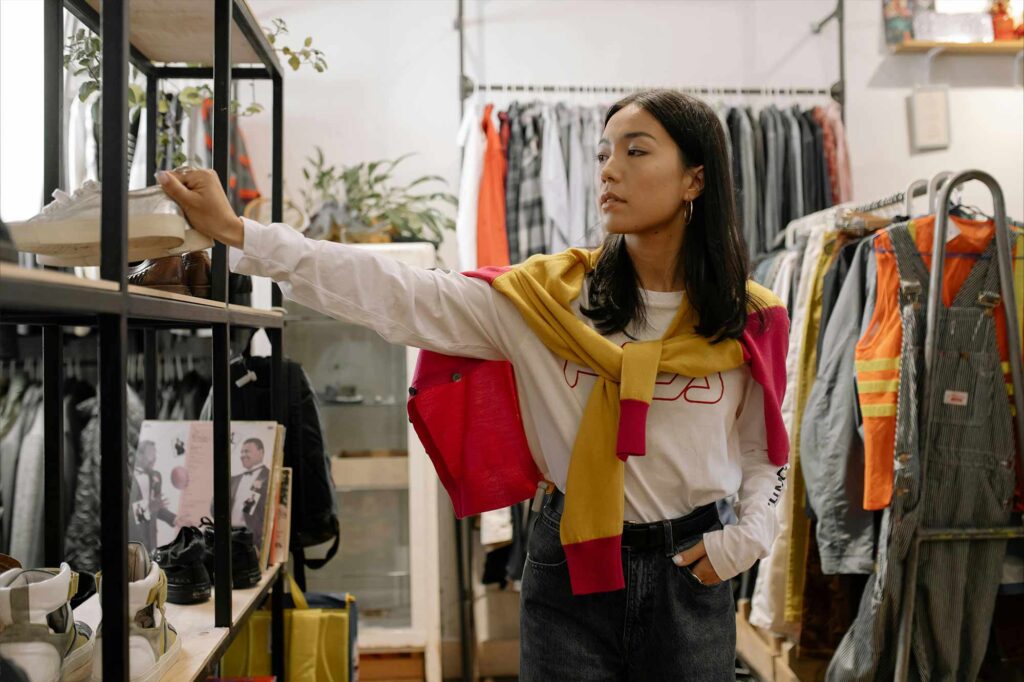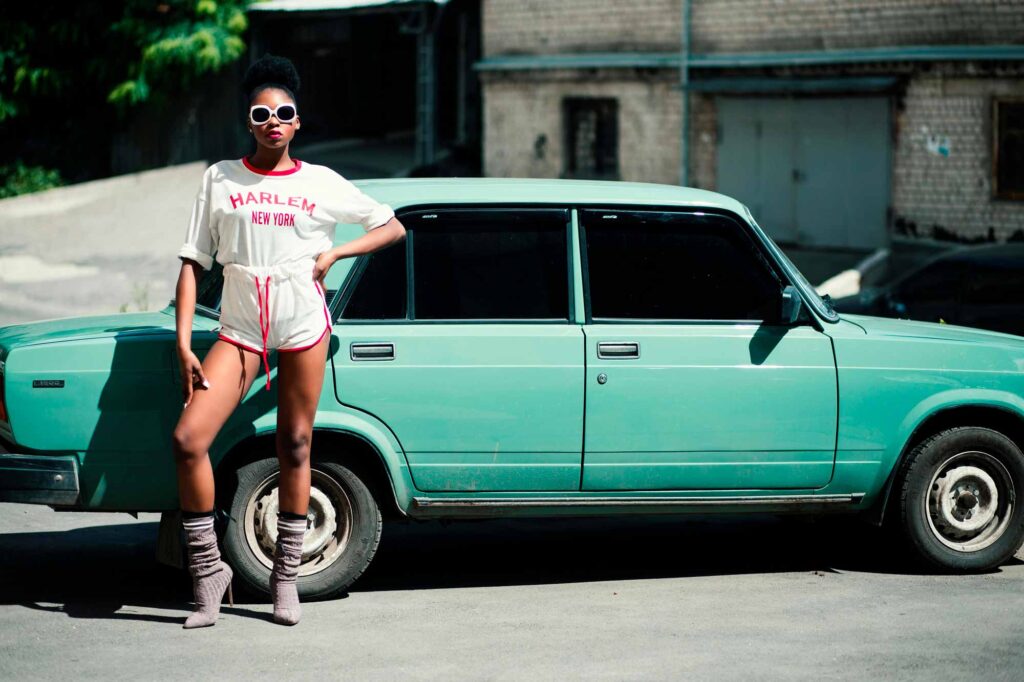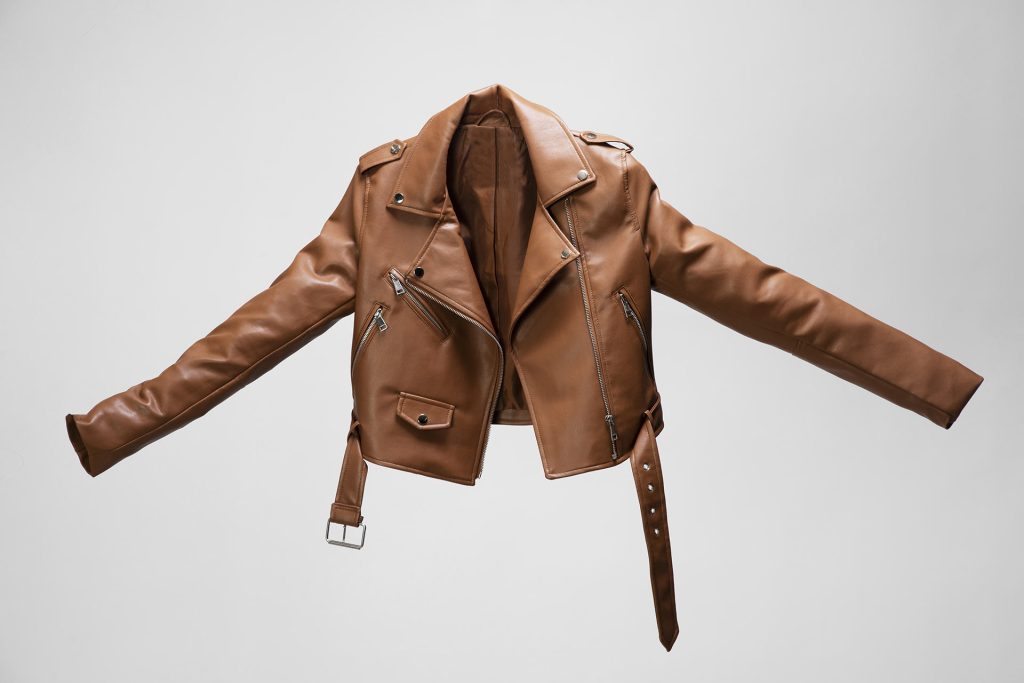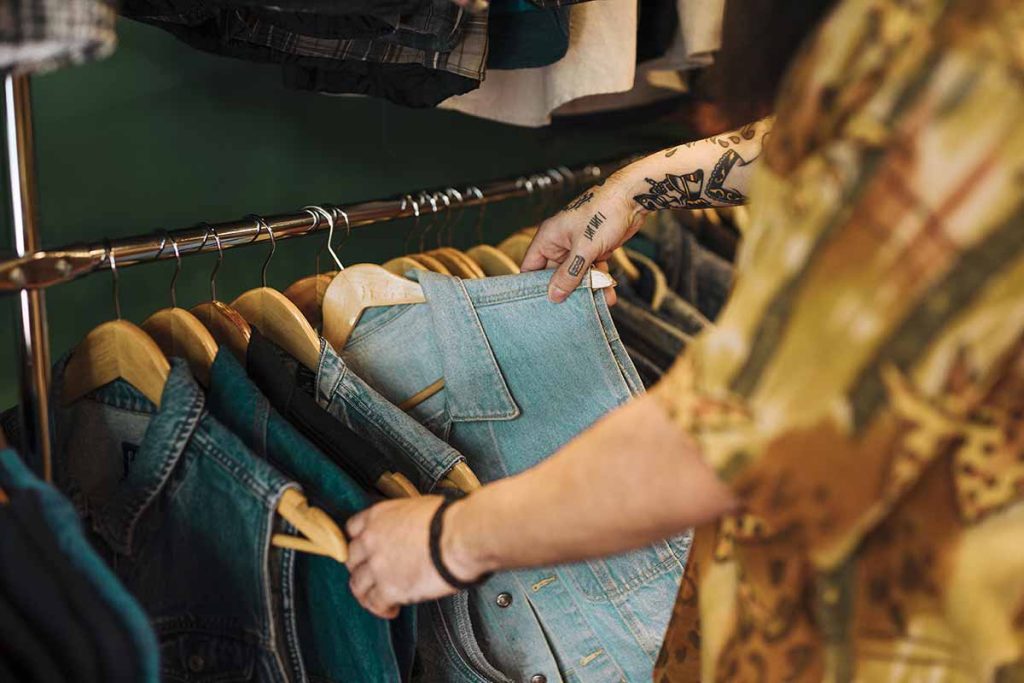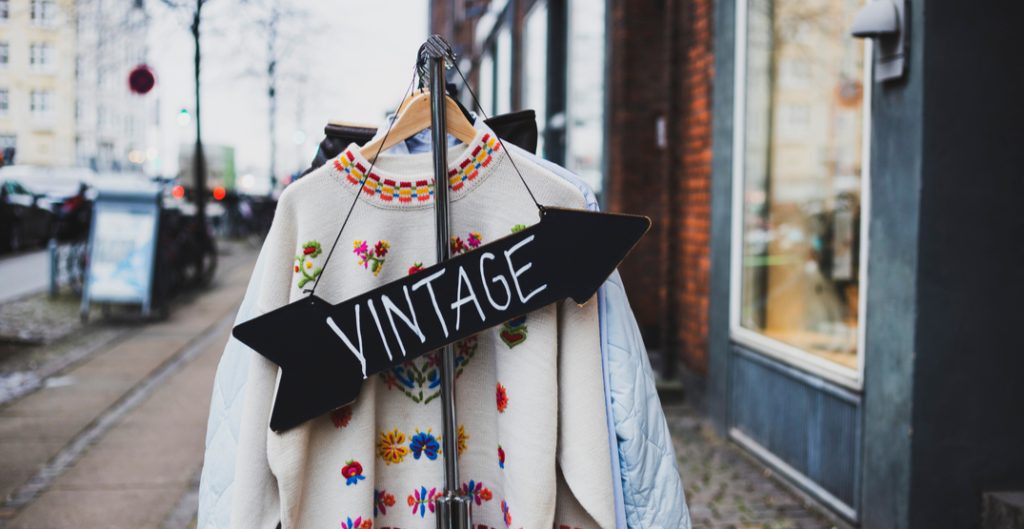
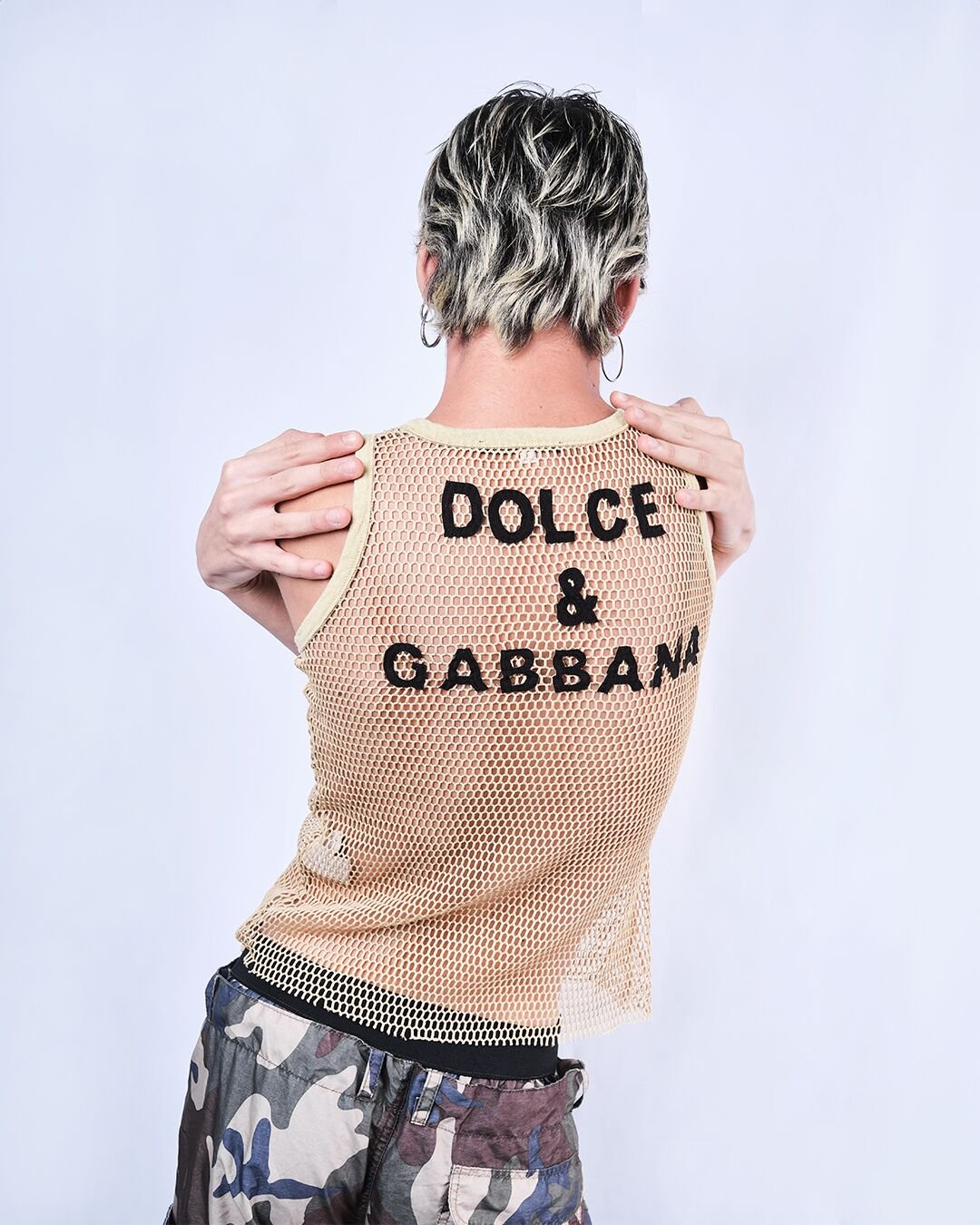

Reselling vintage clothing represents much more than a simple fashion trend: it’s a conscious choice that brings significant benefits for the environment, the economy, and society. In an era where fast fashion dominates the market, opting for vintage pieces means embracing a more sustainable and ethical approach to fashion consumption.
Positive Environmental Impact
The fashion industry is among the most polluting sectors in the world. The production of new garments requires enormous quantities of resources: water, energy, and raw materials. It’s estimated that producing just one cotton t-shirt requires approximately 2,700 liters of water, equivalent to what a person drinks in 2.5 years. Furthermore, the dyeing and treatment processes release harmful chemicals into waterways, contaminating entire ecosystems.
By choosing to resell and purchase vintage clothing, you contribute to:
- Reducing the demand for new products and therefore the environmental impact of their production
- Extending the lifecycle of garments, reducing textile waste in landfills, where they take decades to decompose
- Decreasing the carbon footprint associated with fashion, considering that the textile industry is responsible for approximately 10% of global greenhouse gas emissions
Superior Quality and Durability
Vintage garments are often made with higher quality standards compared to many contemporary products. In past years, clothing was designed to last, with particular attention to seams, materials, and finishes. It wasn’t unusual for a garment to be passed down from generation to generation, testifying to its exceptional durability.
Reselling these pieces means offering products that:
- Have already proven their resilience over time, surviving decades of use
- Present quality characteristics difficult to find in current fast fashion, such as reinforced seams, thicker fabrics, and handmade details
- Maintain their aesthetic and functional value even after years, often even increasing in value over time
Uniqueness and Originality
Each vintage piece tells a unique story that spans decades of stylistic and cultural evolution. Reselling vintage clothing means offering customers the possibility to express their individuality through pieces that cannot be found in every store and that represent authentic fragments of fashion history.
The uniqueness of vintage pieces allows for:
- Standing out from the crowd with original styles that reflect specific periods and different cultural influences
- Rediscovering past trends that cyclically return to influence contemporary fashion, but with the authenticity of the original piece
- Creating unique combinations of modern and retro, giving life to an unrepeatable personal style
Promoting a Circular Economy
The vintage clothing market perfectly embodies the principles of the circular economy. Instead of following the linear model of “produce-use-dispose,” it adopts a cyclical approach that values the reuse and regeneration of existing resources.
Reselling vintage pieces contributes to:
- Creating new sustainable business opportunities, generating value from existing goods
- Raising consumer awareness towards more conscious purchasing choices, educating them on the value of quality over quantity
- Establishing an alternative economic model to rampant consumerism, demonstrating that it’s possible to prosper without depending on the constant production of new goods
Preservation of Cultural Heritage
Vintage clothing is not just fashion, but also tangible evidence of past eras. Each decade has its distinctive stylistic characteristics that reflect the socio-cultural context of the period. Preserving and reselling these garments means safeguarding an important cultural heritage that tells the evolution of society through fashion.
Conclusion
Choosing to resell vintage clothing is not just a business decision, but a true declaration of values. It represents a concrete commitment to environmental sustainability, the promotion of quality and uniqueness, support for a more circular and ethical economy, and the preservation of an invaluable cultural heritage.
In a world increasingly attentive to the impact of our choices, the vintage market is not just a business niche, but a growing cultural movement that redefines our relationship with fashion and consumption.